Endangered & Vulnerable Wildlife at 37 Wormer Road

Six endangered, threatened or vulnerable species are reported to live in the ponds, wetlands and woods of 37 Wormer Road, the site proposed for the battery storage facility.

Legal protection status below is as of November 2026 and can change. Please check the NYS DEC and U.S. Fish & Wildlife Service for current listings.

About each species

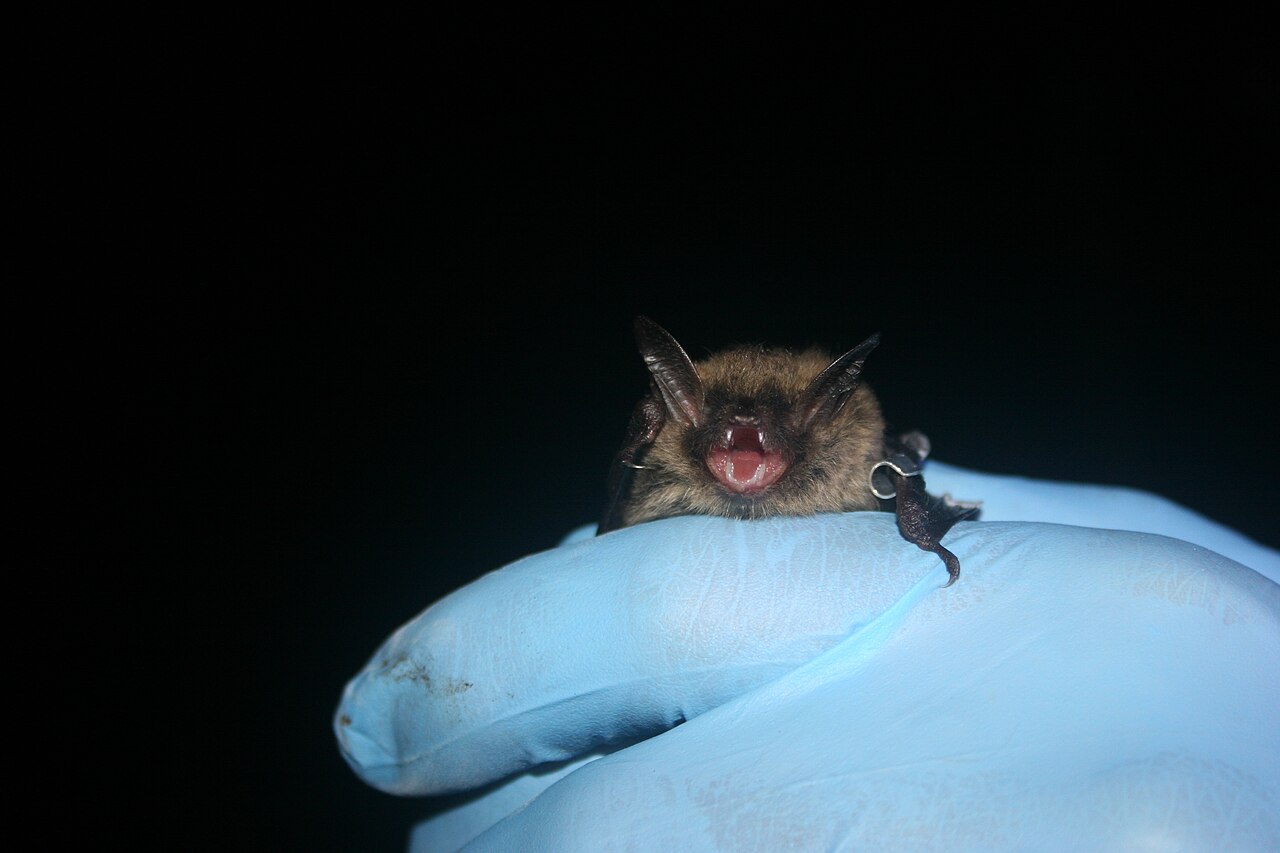
A northern long-eared bat held gently in a gloved hand, showing its long, pointed ears.
Photo: U.S. Fish and Wildlife Service, Northeast Region (public domain), via Wikimedia Commons

Bat

Northern long-eared bat

Myotis septentrionalis

Status: Federally endangered

What it is. A medium-sized insect-eating bat, about 3 to 3.7 inches long with a 9 to 10 inch wingspan, weighing only 5 to 8 grams. Its ears are long enough to reach past the nose when folded forward. The fur is medium to dark brown on the back and paler underneath.

Where it lives. In summer it roosts under loose tree bark and in tree cavities and standing dead trees, and hunts moths, flies, beetles and spiders in and around forest. Females raise young in small maternity colonies. In winter it hibernates in caves and abandoned mines.

Why it is at risk. White-nose syndrome, a fungal disease that disrupts hibernation, has caused declines of 97–100% in many affected regions. Forest loss and the removal of roost trees add to the pressure.

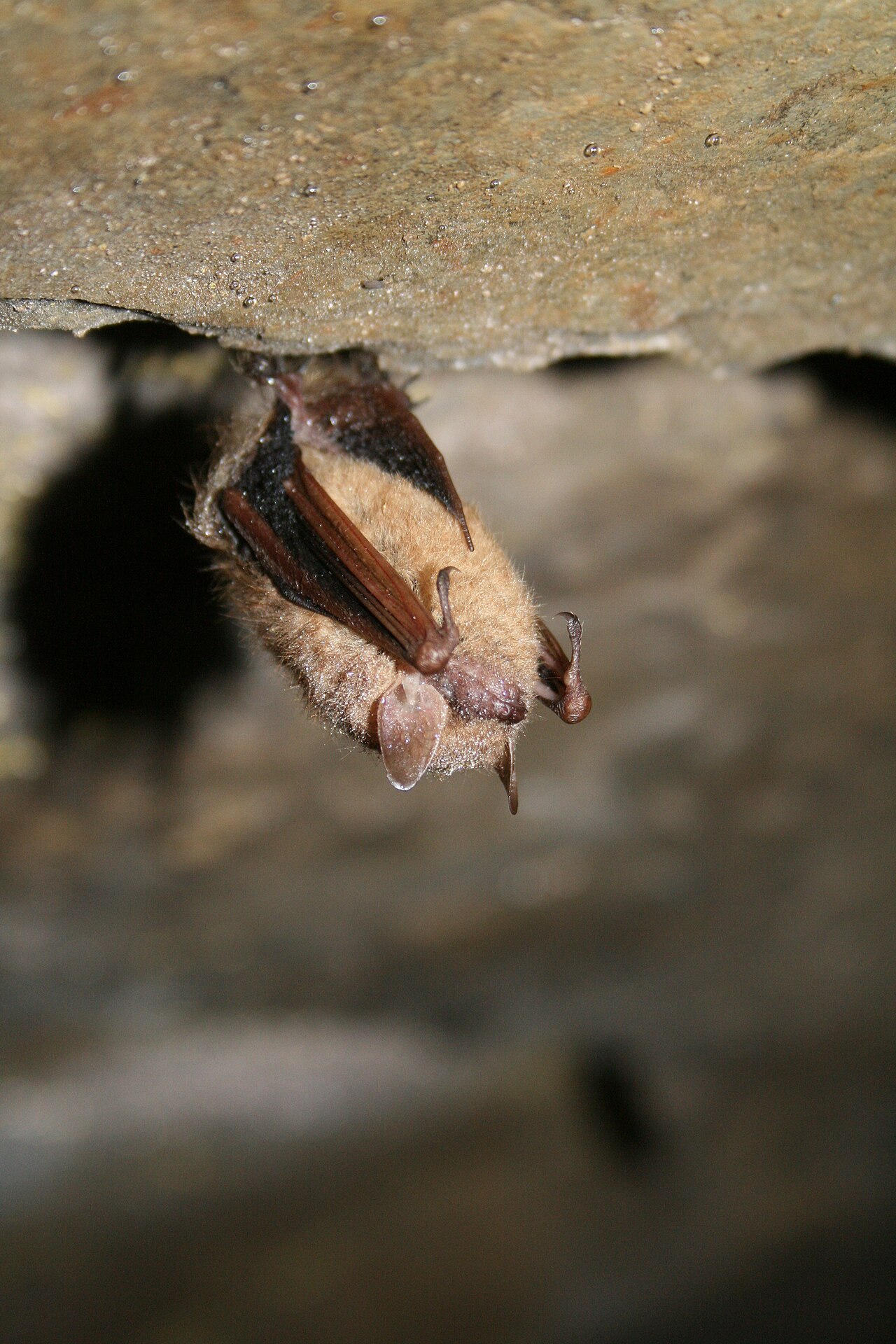
A tricolored bat hanging from a cave ceiling during hibernation.
Photo: Ann Froschauer/USFWS (CC BY 2.0), via Wikimedia Commons

Bat

Tricolored bat

Perimyotis subflavus

Status: Proposed for federal endangered listing

What it is. A tiny bat, about 3 to 3.5 inches long and 4.6 to 7.9 grams. Each back hair has three color bands, and the forearms look pinkish. It is often one of the first bats out in the evening, with a slow, fluttery, moth-like flight, and can live nearly 15 years.

Where it lives. In summer it roosts alone or in small groups in clusters of leaves, tree cavities, and sometimes buildings. In winter it hibernates in caves, mines and road culverts.

Why it is at risk. White-nose syndrome has caused declines of roughly 90–100% at many winter roosts.

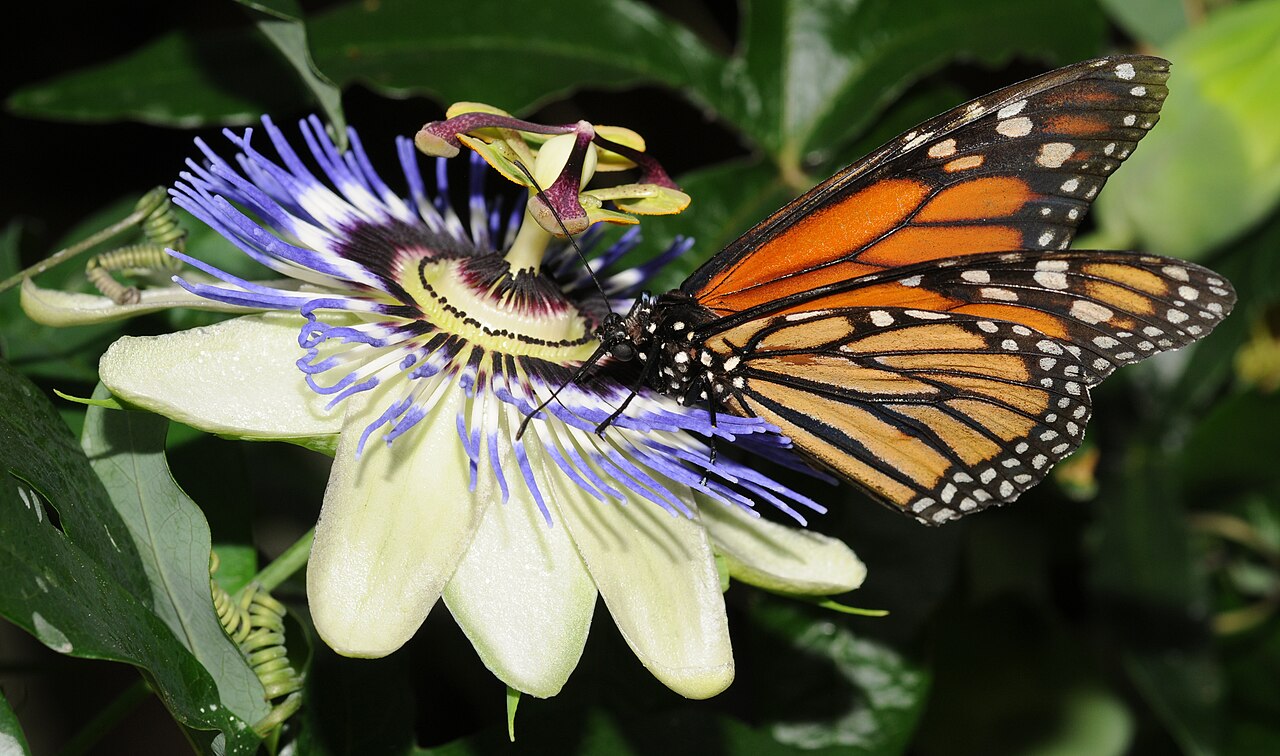
A monarch butterfly with orange and black wings feeding on a passionflower.
Photo: Thomas Bresson (CC BY 2.0), via Wikimedia Commons

Butterfly

Monarch butterfly

Danaus plexippus

Status: Proposed for federal threatened listing · Migratory monarch: IUCN Endangered

What it is. The familiar orange-and-black butterfly, with a wingspan of about 3.5 to 4 inches. Its caterpillars feed only on milkweed, which makes both caterpillars and adults taste bad to predators.

Why it matters. Eastern monarchs migrate up to 3,000 miles to overwinter in the mountains of central Mexico. Along the way they depend on milkweed and nectar flowers in fields, wetland edges and meadows.

Why it is at risk. Loss of milkweed habitat, herbicides and insecticides, forest loss at the wintering sites, and climate change have driven steep long-term declines.

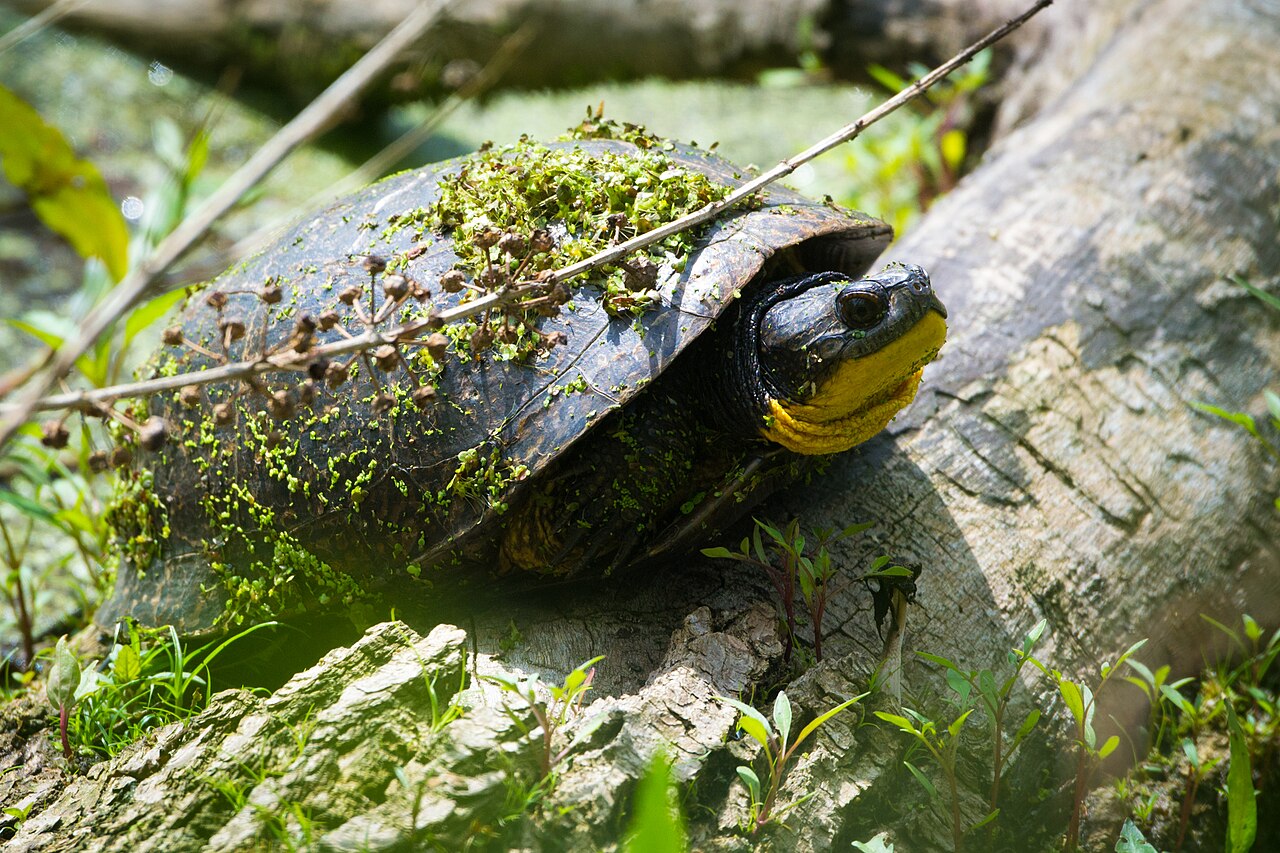
A Blanding's turtle with a bright yellow chin resting on a log in a wetland.
Photo: Andrew C (CC BY 2.0), via Wikimedia Commons

Turtle

Blanding’s turtle

Emydoidea blandingii

Status: New York threatened

What it is. A semi-aquatic turtle, 5 to 10 inches long, with a dark domed shell flecked with yellow, a bright yellow chin, and a hinged lower shell. It can live 70 to 80 years or more, but takes 15 to 20 years to reach breeding age.

Where it lives. Shallow, clean wetlands with soft, muddy bottoms: marshes, bogs, quiet ponds and slow streams. Blanding’s turtles travel overland, sometimes more than a mile, to reach seasonal pools and sandy upland soil where females lay 4 to 25 eggs in late spring and early summer.

Why it is at risk. Wetland drainage and development, road deaths of females crossing to nest, heavy nest predation, and illegal collection for the pet trade.

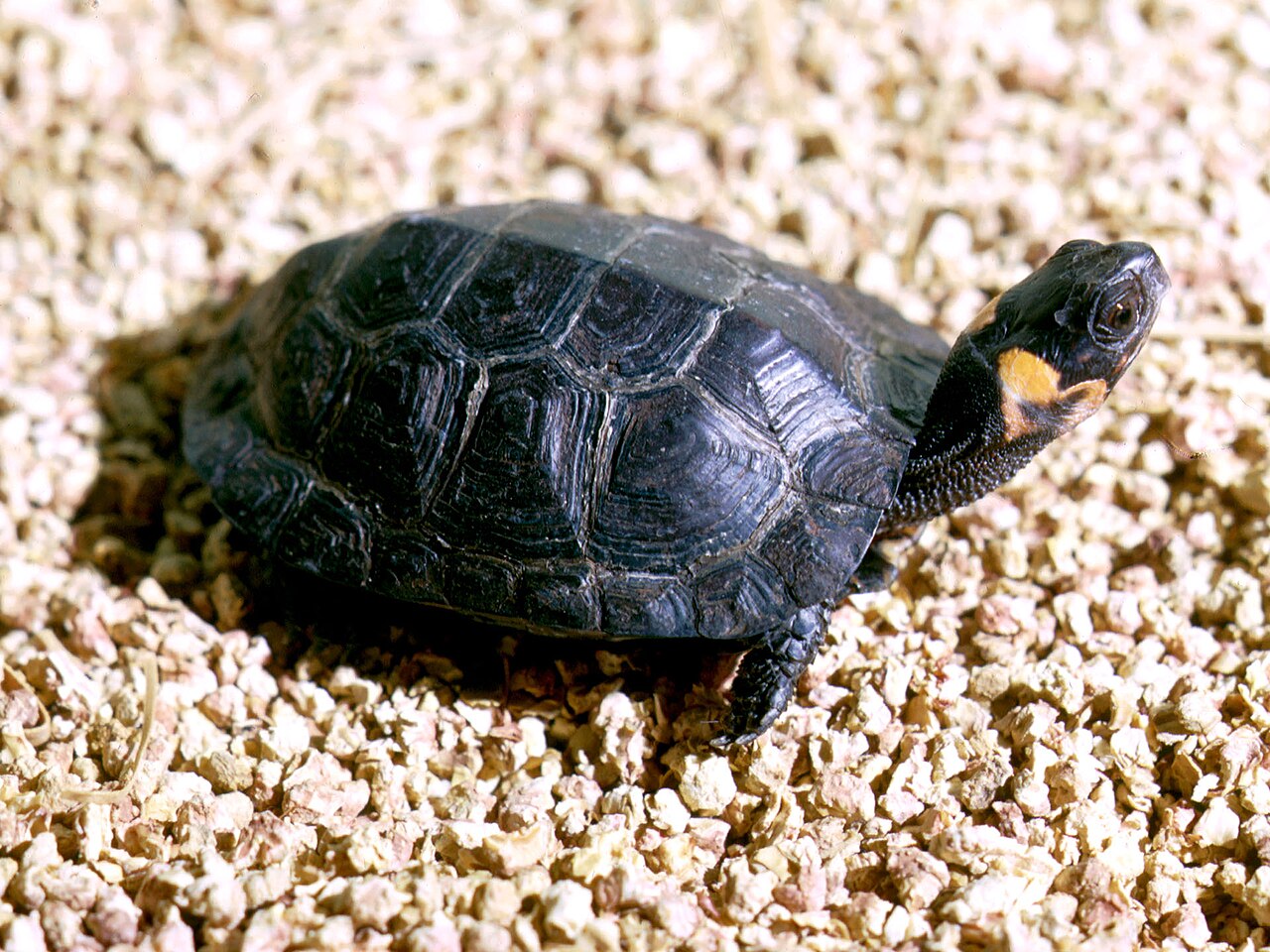
A small bog turtle with an orange blotch on the side of its head.
Photo: R. G. Tucker Jr./USFWS (public domain), via Wikimedia Commons

Turtle

Bog turtle

Glyptemys muhlenbergii

Status: New York endangered · Federally threatened

What it is. The smallest turtle in North America, 3 to 4.5 inches long, small enough to fit in the palm of a hand. It is secretive and active by day, spending much of its time burrowed in deep mud or hidden under sedges and skunk cabbage. Bog turtles can live 30 to 50 years or more.

Where it lives. Open, sunny, groundwater-fed wetlands: fens, bogs and wet meadows with soft, deep, mucky soil and slow-moving water. They hibernate in the mud from mid-fall to mid-spring.

Why it is at risk. Wetland drainage, overgrowth by invasive plants such as purple loosestrife and reed canary grass, and poaching for the pet trade. It is illegal to collect, buy or sell bog turtles.

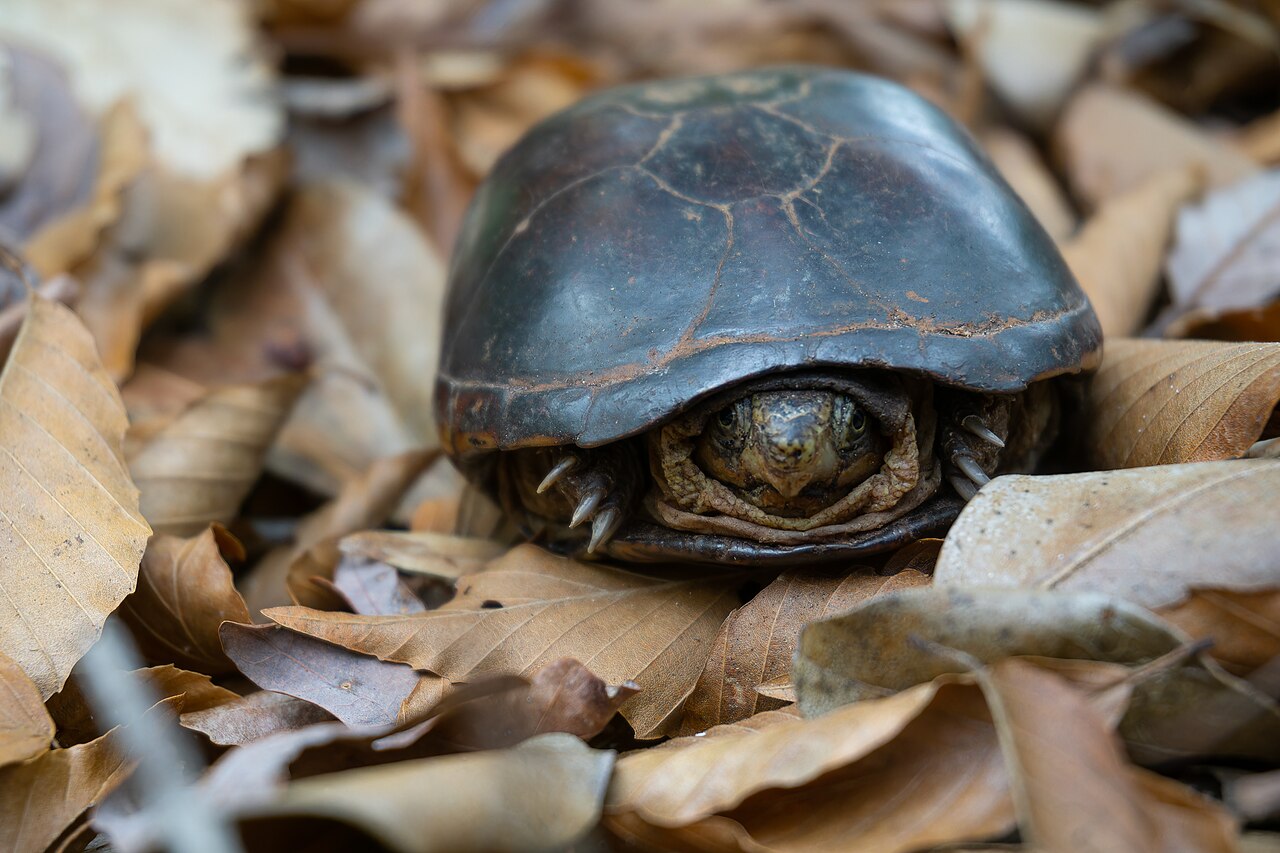
An eastern mud turtle withdrawn into its shell among fallen leaves.
Photo: Jasper Shide (CC0), via Wikimedia Commons

Turtle

Eastern mud turtle

Kinosternon subrubrum

Status: New York endangered

What it is. A compact turtle only 3 to 5 inches long, with a smooth olive-to-black shell and a double-hinged lower shell that lets it close up for protection. It is a poor swimmer that prefers to crawl along the bottom of shallow water, and it spends a lot of time on land, burrowing in mud and leaf litter. It can live 20 to 50 years.

Where it lives. Shallow, slow or stagnant freshwater: ponds, swamps, backwaters and sluggish streams.

Why it is at risk. Globally it is not threatened, but in northern edge states such as New York its habitat is fragmented and shrinking through wetland drainage, development and road deaths.

Further reading

The Altamont Enterprise · Nov. 29, 2022

Northern long-eared bat reclassified as endangered

The Enterprise reports the U.S. Fish and Wildlife Service’s announcement that the northern long-eared bat, which it notes was typically found throughout Albany County, is now classified as endangered, effective Jan. 30, 2023. White-nose syndrome has caused estimated declines of 97 to 100 percent in affected populations. The article also explains a local consequence: the state DEC prohibits cutting trees in identified northern long-eared bat habitat between April 1 and Oct. 31, a rule that has been disputed in Guilderland development projects, where advocates questioned whether sites had been properly surveyed for the bats.

Read the article at The Altamont Enterprise →

Why this matters for Wormer Road

Residents describe the 37 Wormer Road property as mostly wetland and pond, and wetlands are exactly the habitat several of these animals depend on. Residents are asking the Planning Board to take a close look at what clearing trees, building on or near wetlands, and a possible battery fire with contaminated runoff could mean for them.

The northern long-eared bat was raised at the June 16 public hearing, which noted that it roosts on the property. If you have seen any of these species near Wormer Road, tell the Planning Board in writing and let us know.